/filters:format(jpeg,png)/fit-in/300x300/guide_websites/1568/images/lowaterguide_carp_logo.webp)
/filters:format(jpeg,png)/fit-in/237x80/guide_websites/1568/images/lowaterguide_carp_logo.webp)

Best Time to Fish in Phoenix (Seasonal Guide)
%2Ffit-in%2F1000x1000%2Ffilters%3Aformat(webp)%2Fguide_websites%2F1568%2Fimages%2Fmeet%20the%20captain.jpeg&w=1920&q=75)
Published: May 28, 2026
Phoenix offers year-round fishing, but timing changes everything when it comes to real results. The desert climate plays a major role in how fish behave, with water temperatures shifting quickly and directly affecting feeding patterns, depth, and movement. What works in one season can completely fail in another. Understanding the best time to fish in Phoenix, AZ, means looking beyond the calendar and focusing on how conditions change throughout the year. From spring spawning activity to summer heat adjustments, every season demands a different approach. Knowing when to fish in Arizona also comes down to choosing the right time of day, as fish activity often peaks during cooler hours.
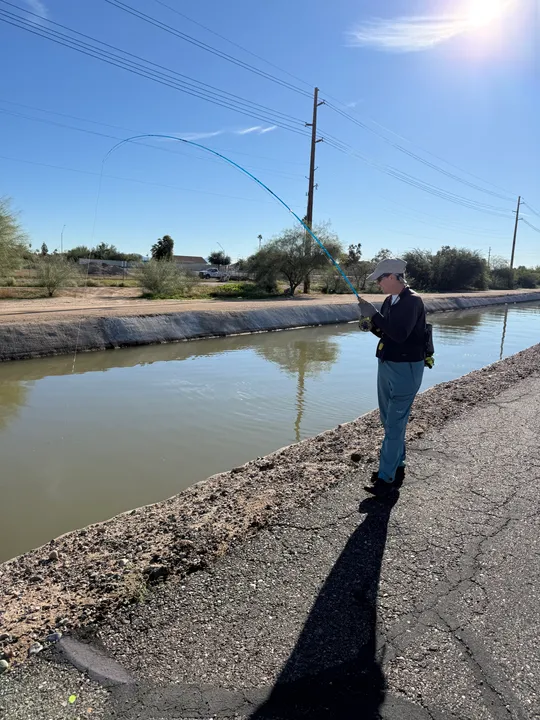
Understanding Phoenix Fishing Seasons and Why Timing Matters
Fishing in the desert follows a different pattern, and understanding Phoenix fishing seasons is essential for consistent results. Rapid temperature changes affect where fish stay, how they feed, and how they react to different conditions throughout the year.
Fish behavior is closely linked to water temperature and seasonal cycles, making timing more important than location alone. Knowing when to fish in Arizona means adjusting your approach as conditions shift, rather than relying on the same strategy every time.
Spring (March–May) – The Best Overall Fishing Season
Spring is widely seen as the best time to fish in Phoenix, AZ, with warming waters triggering strong feeding activity. Bass move into shallow zones for spawning, making them easier to locate and catch. Insights from Phoenix fishing reports consistently show higher catch rates during this stable and productive season.
Ideal lakes:
- Saguaro Lake
- Roosevelt Lake
- Canyon Lake
Techniques:
- Reaction baits
- Shallow water targeting
Why beginners succeed most in spring: Spring offers predictable fish behavior, with bass concentrated in shallow areas during spawning. This reduces guesswork, making it easier for beginners to locate fish, use simple techniques, and experience consistent action without needing advanced strategies.
Summer (June–August) – Early Morning & Night Fishing Wins
Summer fishing in Phoenix requires a shift in strategy as extreme heat changes fish behavior and feeding patterns. As temperatures rise, fish avoid shallow, warm water and become less active during the day. Success depends heavily on fishing at the right time and adjusting depth and technique. Many anglers choose a Phoenix fishing charter to navigate these tougher conditions more effectively.
Ideal lakes:
- Saguaro Lake
- Canyon Lake
- Bartlett Lake
Techniques:
- Deep water fishing
- Slow presentations (jigs, drop shots)
- Night fishing setups
Why beginners succeed most in summer: Beginners can still succeed by focusing on early morning or night fishing when conditions are cooler, and fish are more active. With simple adjustments in timing and depth, even basic techniques can produce consistent results.
Fall (September–November) – Underrated Peak Action
Fall is often overlooked, but it stands out as one of the most productive phoenix fishing seasons. As water temperatures begin to drop, fish transition into aggressive feeding mode to prepare for winter. This results in more consistent bites and better chances of landing larger bass. Compared to spring, fishing pressure is lower, making it easier to access prime spots without heavy competition. Many anglers rely on an experienced Arizona fishing guide to track these changing patterns and locate active fish efficiently.
Ideal lakes:
- Roosevelt Lake
- Saguaro Lake
- Bartlett Lake
Techniques:
- Reaction baits (crankbaits, spinnerbaits)
- Targeting transition zones and drop-offs
- Covering more water to locate active fish
Why beginners succeed most in fall: Fall offers consistent fish activity with less crowd pressure, allowing beginners to explore spots more freely. Aggressive feeding behavior also increases strike chances, making it easier to get results without highly technical methods.
Winter (December–February) – Slow but Strategic Fishing
Winter brings slower fishing conditions, but it can still be productive with the right approach. Cooler water temperatures reduce fish activity, meaning patience and precision become more important than speed. This season also marks trout stocking in select lakes, offering additional opportunities beyond bass fishing. Understanding when to fish in Arizona during winter often means targeting the warmest part of the day, when fish are slightly more active.
Ideal lakes:
- Canyon Lake
- Saguaro Lake
- Urban stocked lakes
Techniques:
- Slow presentations (jigs, soft plastics)
- Midday fishing for warmer conditions
- Light tackle for trout in stocked areas
Why beginners succeed most in winter: Winter fishing is less crowded and more relaxed, giving beginners time to focus on technique without pressure. Stocked trout also increase chances of success, making it easier to get bites even during slower conditions.
Best Time of Day to Fish in Phoenix
In Phoenix, time of day plays a critical role due to intense desert heat and rapid temperature shifts. Fish activity follows these changes closely, making certain hours far more productive than others. Insights from Phoenix fishing reports consistently show that anglers who adjust their timing see better results than those who fish randomly throughout the day.
Early morning:
- Cooler water temperatures
- Strong topwater action and active feeding
Evening/night:
- Reduced heat stress on fish
- Increased movement and aggressive bites
Midday:
- Fish move deeper to stay cool
- Requires slow, deep-water techniques
Best Locations Based on Season: Quick Guide
Choosing the right location based on season is key to finding consistent action and answering the common search for the best bass fishing near me. In Phoenix, lakes, reservoirs, and river systems like the Salt River respond differently to seasonal changes, making location strategy just as important as timing.
Spring: Shallow coves and shoreline structure
During spring, fish move into shallow coves and along shorelines for spawning activity. These areas warm up faster, attracting bass and baitfish. Focus on visible structure like rocks, submerged vegetation, and brush lines where fish gather. Calm, protected sections of lakes tend to produce the most consistent bites during this period.
Summer: Deep water and shaded zones
In summer, extreme heat pushes fish into deeper water where temperatures are more stable. Look for shaded zones, underwater ledges, and steep drop-offs. Fish often stay inactive during the day, so targeting deeper structures with slow presentations becomes important. Areas with depth changes consistently hold fish seeking cooler conditions and oxygen levels.
Fall: Transition areas and drop-offs
Fall creates movement between shallow and deep water as temperatures cool. Fish gather in transition zones such as drop-offs, points, and ledges where they can feed actively. These areas act as feeding routes, making them ideal for covering water and locating schools. Consistent action often comes from targeting changing depth zones carefully.
Winter: Stocked lakes and slower waters
Winter fishing works best in stocked lakes and calmer water bodies where fish activity is more predictable. Cooler temperatures slow fish metabolism, so they stay in stable zones with minimal movement. Focus on deeper, slower sections where fish conserve energy. Stocked areas increase catch chances, especially for beginners seeking steady action.
Why Guided Trips Improve Your Timing & Results
Fishing success in Phoenix often comes down to timing, and working with Lo Water Guide Service helps remove the guesswork completely. Local expertise allows anglers to understand changing seasonal patterns, water conditions, and fish behavior without trial and error. Guides track movement daily, adjusting locations and techniques based on real-time conditions. They also provide the right equipment and proven methods suited to each season, improving efficiency on the water. With hands-on experience and the ability to adapt quickly, guided trips significantly increase catch rates while saving time, especially in a fishery where conditions shift rapidly.
Conclusion
Phoenix stands out as a true year-round fishing destination, offering unique opportunities across every season. The key to consistent success lies in matching the right season with the right time of day, rather than relying on a single approach. Each period brings different patterns, species behavior, and techniques, making it worth exploring beyond just peak months. Adapting to these changes can significantly improve results and overall experience on the water. For those looking to maximize catch rates and reduce guesswork, booking a trip with Lo Water Guides provides expert insight, proven strategies, and a more efficient, rewarding fishing experience.
FAQs
1. When do bass bite the most in Phoenix lakes?
Bass are most active during spring spawning and fall feeding periods, especially in low-light hours like early morning and evening.
2. Are Phoenix lakes good for beginners?
Yes, many lakes offer accessible fishing with predictable patterns, especially in spring when fish move closer to shore.
3. Does the weather affect fishing in Phoenix?
Yes, temperature, wind, and sunlight directly impact fish behavior, influencing depth, feeding activity, and location.
4. What are the best spots for consistent fishing near Phoenix?
Reservoirs like Saguaro, Canyon, and Roosevelt, along with the Salt River, offer reliable fishing across seasons.
5. How can I improve my fishing success in Phoenix?
Focus on seasonal timing, fish during cooler hours, and adjust techniques based on water depth and temperature changes.
%2Fusers%2F198c6046-3268-45c2-bbb5-1bd002125b9d%2Fimages%2Fgrass-carp-fishing-tour-az-2390.png&w=1920&q=75)