/filters:format(jpeg,png)/fit-in/300x300/guide_websites/1568/images/lowaterguide_carp_logo.webp)
/filters:format(jpeg,png)/fit-in/237x80/guide_websites/1568/images/lowaterguide_carp_logo.webp)
//users/198c6046-3268-45c2-bbb5-1bd002125b9d/ratecard/03e4907b-b0eb-45a8-8d13-a76568356ae5.jpg)
%2Ffit-in%2F300x300%2Fusers%2F198c6046-3268-45c2-bbb5-1bd002125b9d%2Fratecard%2F03e4907b-b0eb-45a8-8d13-a76568356ae5.jpg&w=256&q=75)
%2F300x300%2Fusers%2F198c6046-3268-45c2-bbb5-1bd002125b9d%2Fimages%2Farizona-canal-fly-fishing-muddy-3776.png&w=256&q=75)
%2F300x300%2Fusers%2F198c6046-3268-45c2-bbb5-1bd002125b9d%2Fimages%2Farizona-grass-carp-fly-fishing-4316.png&w=256&q=75)
%2F300x300%2Fusers%2F198c6046-3268-45c2-bbb5-1bd002125b9d%2Fimages%2Fcommon-carp-phoenix-fishing-tour-2586.jpg&w=256&q=75)
%2F300x300%2Fusers%2F198c6046-3268-45c2-bbb5-1bd002125b9d%2Fimages%2Ffishing-tour-phoenix-2722.jpg&w=256&q=75)
%2F300x300%2Fusers%2F198c6046-3268-45c2-bbb5-1bd002125b9d%2Fimages%2Ffishing-phoenix-adventure-3138.jpg&w=256&q=75)
%2F300x300%2Fusers%2F198c6046-3268-45c2-bbb5-1bd002125b9d%2Fimages%2Ffishing-tour-phoenix-2877.jpg&w=256&q=75)
%2F300x300%2Fusers%2F198c6046-3268-45c2-bbb5-1bd002125b9d%2Fimages%2Fphoenix-fishing-tours-2621.jpg&w=256&q=75)
%2F300x300%2Fusers%2F198c6046-3268-45c2-bbb5-1bd002125b9d%2Fimages%2Ffishing-tours-arizona-2285.jpg&w=256&q=75)
%2F300x300%2Fusers%2F198c6046-3268-45c2-bbb5-1bd002125b9d%2Fimages%2Fexploring-great-outdoors-az-2352.jpg&w=256&q=75)
%2F300x300%2Fusers%2F198c6046-3268-45c2-bbb5-1bd002125b9d%2Fimages%2Ffishing-tour-arizona-2302.jpg&w=256&q=75)
Payson Bass Fly Fishing Lakes | Lo Water Guide
 Phoenix, AZ
What you will be catching:
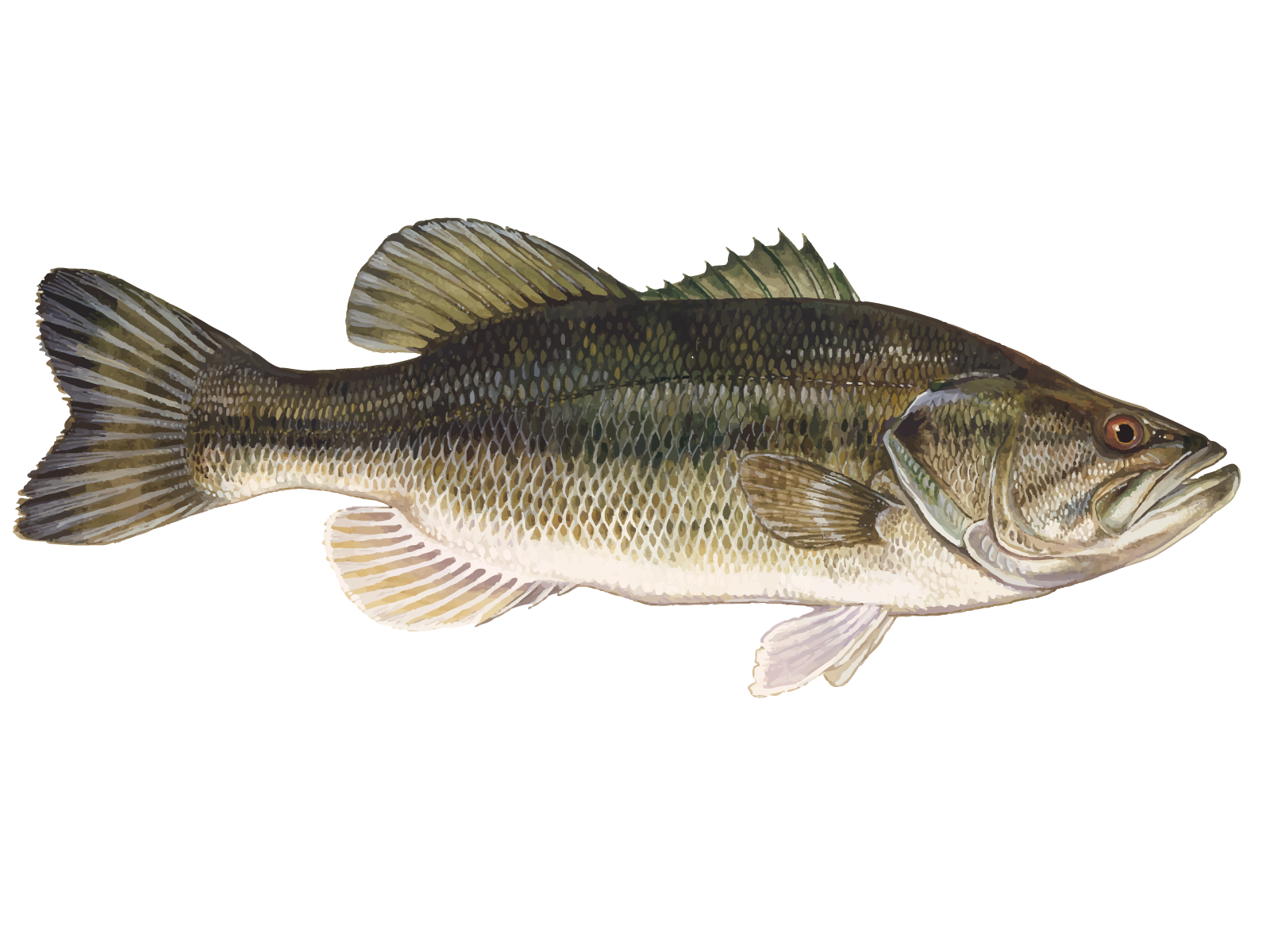 Largemouth Bass
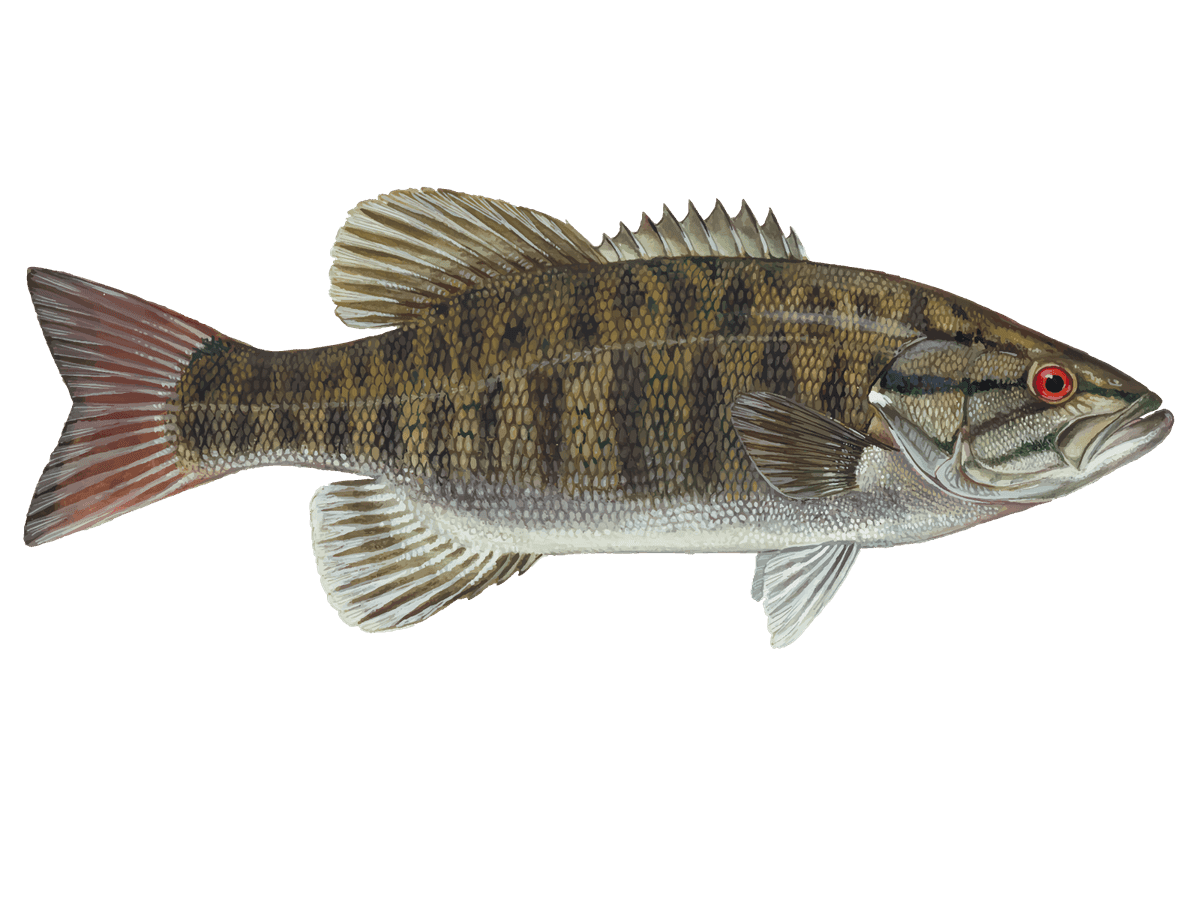
 Smallmouth Bass
- Escape desert heat with cooler mountain lake fishing
- Target largemouth and smallmouth bass in pristine alpine waters
- Private guided trips offer personalized technique instruction
Trip Pricing and Availabilities :
Trip pricing information is temporarily unavailable.
Arizona Forest Lake Bass Fly Fishing Trip
When Phoenix hits triple digits and even our local lakes feel like hot tubs, it's time to head north to where the fishing stays cool and the bass stay active. I'm talking about those pristine forest lakes scattered across the Mogollon Rim near Payson, stretching east toward Show Low. Up here, you'll find yourself in a completely different world - one where 70-degree mornings are the norm while the Valley bakes below. This isn't your typical desert lake experience. We're talking tall pines, crystal-clear water, and some of the most aggressive bass fishing Arizona has to offer. You'll have the boat to yourself, which means we can focus entirely on your technique and put you on fish without any distractions.
What to Expect on the Water
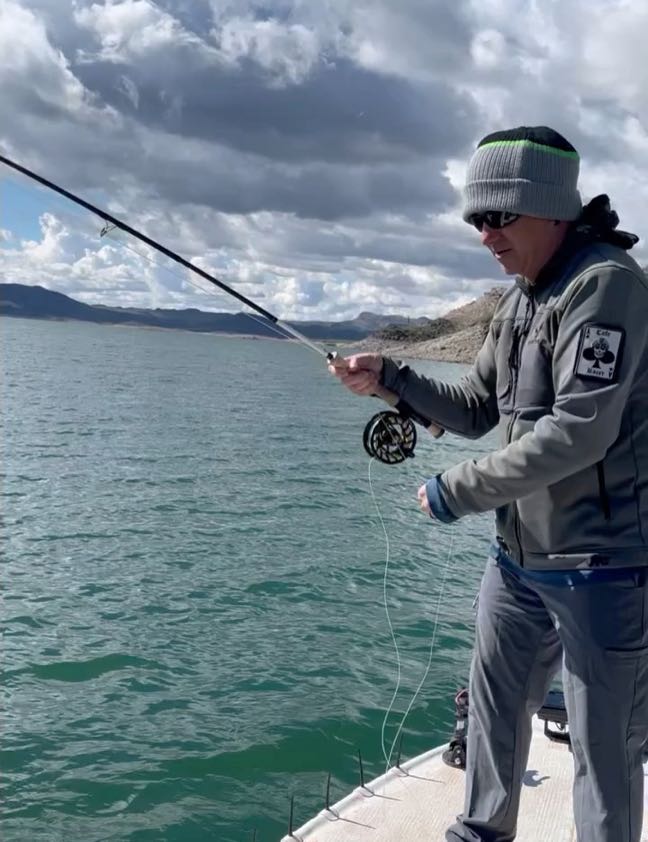
These forest lakes are a fly angler's dream, and I've been guiding these waters long enough to know exactly where the bass like to hang out. We'll launch early when the water is glass-smooth and the bass are prowling the shallows looking for breakfast. The beauty of boat fishing up here is the mobility - we can hit multiple spots in a day, from rocky points where smallmouth love to ambush prey to weed lines where largemouth set up shop. The scenery alone is worth the drive, with towering ponderosa pines reflecting in the water and wildlife that includes everything from osprey to elk coming down for a drink. Don't worry about the altitude affecting your casting - most folks adjust pretty quickly, and the cooler air actually makes longer sessions more comfortable. I'll handle all the boat positioning and navigation while you focus on presenting your fly to some seriously hungry bass.
Fly Fishing Techniques & Gear
We'll be using 6 to 7-weight rods depending on conditions and your experience level. The great thing about these forest lakes is the variety of techniques that work. Early morning, we'll start with topwater patterns - there's nothing quite like watching a bass explode on a popper in that calm morning light. As the sun gets higher, we'll switch to streamers and work the deeper structure. I've got boxes full of patterns that work specifically on these waters, from classic Woolly Buggers to local favorites that mimic the baitfish these bass are keying in on. The water clarity up here means we need to be more precise with our presentations than you might be used to in murky desert impoundments. I'll coach you through reading the water, understanding how bass position themselves around structure, and adjusting your retrieve based on what the fish are telling us. If you're new to fly fishing for bass, don't sweat it - these fish are aggressive enough that we can get you hooked up while you're still learning the ropes.
Top Catches This Season
The Mogollon Rim lakes have been producing some fantastic bass fishing, especially for anglers willing to make the drive up from the desert. Smallmouth have been the stars of the show, with fish averaging 2 to 3 pounds and plenty of opportunities for something bigger. The largemouth population has really bounced back in recent years, and we're seeing some chunky fish that fight like they've been hitting the gym all winter. What makes these forest lake bass special is their energy level - the cooler water keeps them active even during summer months when bass down south are sluggish. I've had clients land their personal best smallmouth on these waters, and the combination of clear water and boat positioning gives you shots at fish you can actually see before you cast to them. The bass up here haven't seen as much pressure as urban lakes, so they're more willing to chase a well-presented fly.
Species You'll Want to Hook
Smallmouth bass are the real prize on these forest lakes, and for good reason. These bronze-backed fighters are at their absolute best in the cool, clear water of the high country. Arizona smallmouth average bigger than most people expect - we're talking 2 to 4-pound fish regularly, with 5-pounders definitely in play. They love rocky structure and drop-offs, and when you hook one, you'll understand why smallmouth have such a devoted following. They jump, they make runs, and they use every inch of water to try to throw your hook. Summer is prime time since they're not dealing with the temperature stress that affects bass in lower elevations. The population density is excellent, meaning you'll get multiple shots throughout the day.
Largemouth bass in these forest lakes are a different animal than their desert cousins. The cooler water and abundant forage has them healthy and aggressive. While they might not reach the same average size as smallmouth here, they make up for it in attitude. Forest lake largemouth love weed lines and fallen timber, and they'll absolutely demolish a topwater fly when conditions are right. They tend to be more opportunistic feeders than smallmouth, which makes them perfect targets when we're working new water or trying different techniques. The best part about targeting both species is that you never know what's going to grab your fly - that streamer you're working along a rocky ledge could get hammered by either species.
Time to Book Your Spot
If you're tired of sweating through summer fishing sessions or dealing with crowded urban lakes, this forest lake experience is exactly what you need. The combination of cooler temperatures, active bass, and stunning scenery makes for a day that's as much about enjoying Arizona's high country as it is about the fishing. We'll take care of lunch so you can stay focused on the water, and with just one angler per trip, you'll get the personalized instruction and attention that makes the difference between a good day and a great day. These forest lakes fish well throughout the summer and early fall, but the best dates fill up fast once word gets out about how good the bite is. Whether you're looking to escape the heat, improve your fly fishing skills, or just experience some of Arizona's best bass fishing, this trip delivers on all counts. Give me a call and let's get you set up for a day on the water that you'll be talking about
Learn more about the species
Largemouth Bass
Largemouth bass are the kings of our forest lakes, running 12-24 inches with that signature oversized mouth. They're ambush predators that love thick cover - fallen trees, weed beds, and shallow bays where they can hide and strike. Unlike their smallmouth cousins, these guys prefer warmer, murkier water with plenty of vegetation. Late spring through early fall gives you the best shots, especially around spawning beds in shallow areas. What draws anglers is their explosive topwater strikes and bulldogging fights once hooked. They're also solid table fare when caught from clean water. Local secret: use bright, flashy streamers or poppers that mimic frogs. Cast tight to structure and let it sit - patience pays off with these lazy hunters.
Smallmouth Bass
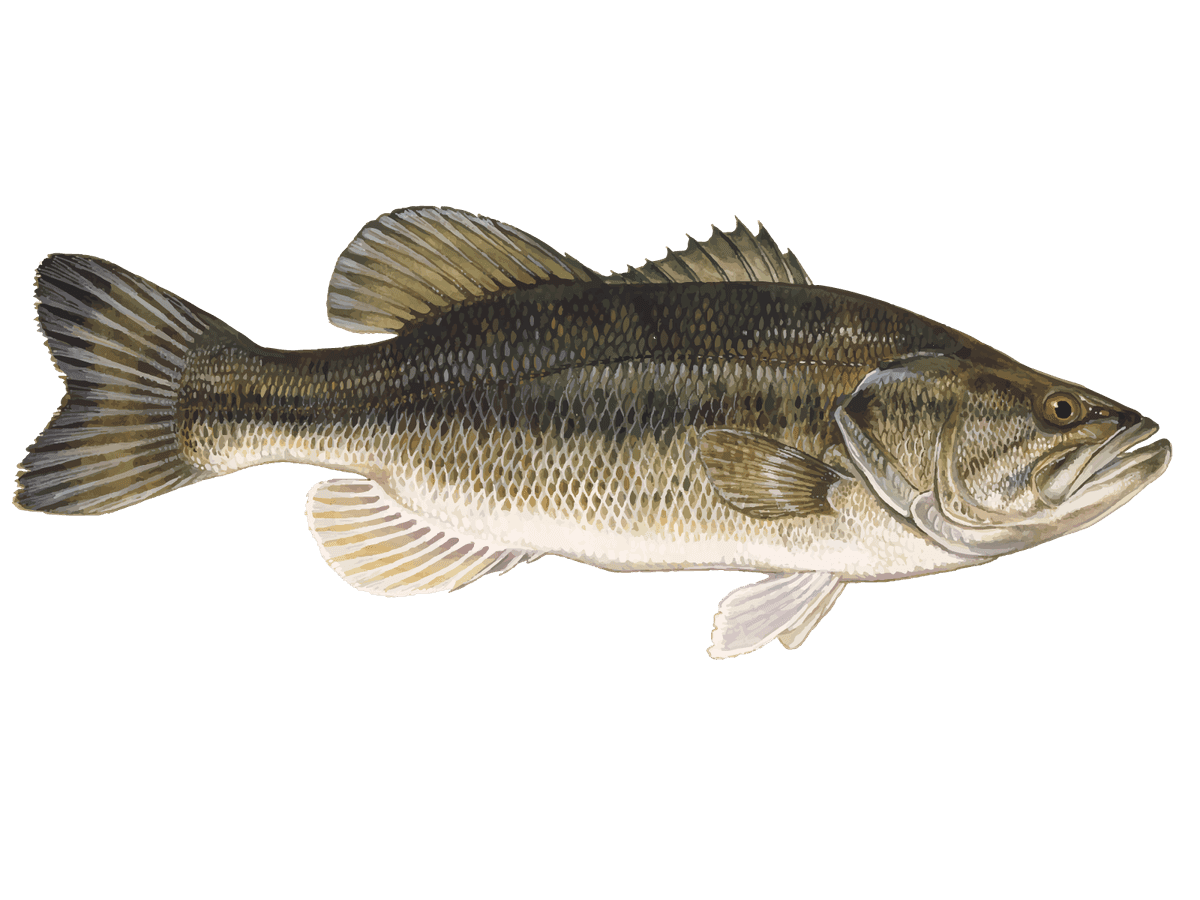
Smallmouth bass are scrappy fighters that'll test your drag system. These bronze-backed beauties average 12-18 inches in our mountain lakes, with females pushing 3-4 pounds. They love rocky bottoms and clear water, hanging around boulders and drop-offs. Spring and fall are prime time when they cruise shallow waters, but summer sends them deep where it's cooler. Early morning and evening produce the best action. What makes smallmouth special is their attitude - pound for pound, they fight harder than any bass out there. They're also great eating with firm, mild fillets. Pro tip: when the water's calm, try a weightless streamer that hangs just under the surface. These fish can't resist that slow, twitching retrieve near shoreline structure.
About the Flobot
%2F%2Fusers%2F198c6046-3268-45c2-bbb5-1bd002125b9d%2Fvehicle_picture%2Fstealth.jpeg&w=1200&q=75)
Vehicle Guest Capacity: 3
Manufacturer Name: Yamaha
Maximum Cruising Speed: 50
Number of Engines: 1
Horsepower per Engine: 115